
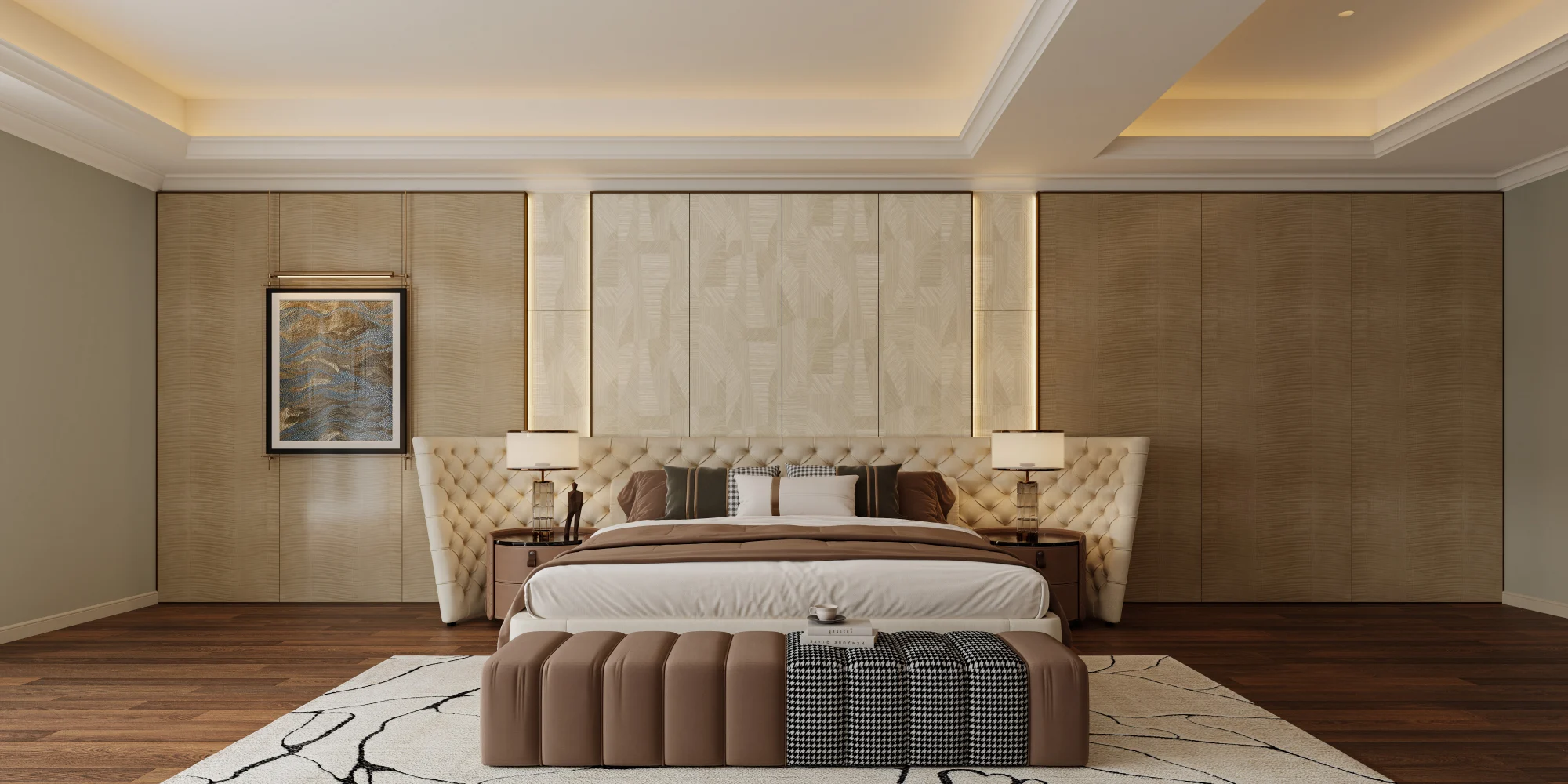
Unlocking the Potential of Custom Furniture: Tailored Solutions for Modern Living
In today’s fast-evolving interior design landscape, custom furniture has surged beyond mere trend status to become a fundamental necessity for many homeowners and businesses alike. The allure lies not only in aesthetics but in the nuanced ability to address the very real pain points consumers face: space limitations, unique lifestyle needs, and the growing demand for sustainable solutions.
Why Custom Furniture Matters More Than Ever
Standard, mass-produced furniture often fails to satisfy the dynamic needs of modern living. According to a 2023 report by the American Home Furnishings Alliance, over 68% of consumers expressed dissatisfaction with ready-made furniture’s inability to fit their specific room dimensions or functional requirements. This dissatisfaction underscores a fundamental gap: the need for pieces that do more than fill space—they must maximize it.
Custom furniture offers an answer. By precisely tailoring design, dimensions, and materials, it not only optimizes spatial efficiency but enhances functionality. For example, compact urban apartments increasingly require multifunctional furniture, a demand highlighted in a 2022 survey by Statista, which found that 57% of millennials prioritize furniture that can adapt to multiple uses. Custom pieces, such as convertible beds with integrated storage or modular shelving tailored to awkward wall angles, directly solve these challenges.
Addressing the Environmental Concern
Beyond functionality, sustainability is a critical factor. Traditional furniture manufacturing is a significant contributor to global waste—over 12 million tons of furniture waste end up in U.S. landfills annually, per data from the Environmental Protection Agency (EPA). Custom furniture, by contrast, promotes longevity and responsible material sourcing. Industry experts, including Dr. Lara Stevens of the Sustainable Design Institute, emphasize that bespoke production reduces over-manufacturing and waste, as each piece is crafted intentionally rather than mass-produced on speculation.
Moreover, the use of eco-friendly materials, such as reclaimed wood or low-VOC finishes, aligns perfectly with the growing eco-conscious consumer segment. A Nielsen report from 2021 highlights that 73% of global consumers are willing to pay more for sustainable products, reflecting an expanding market for responsible custom furniture.
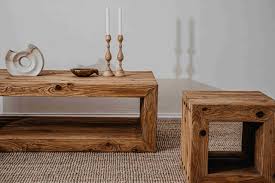
The Emotional and Psychological Edge
Custom furniture also fulfills an emotional dimension—an aspect often overlooked. Personalized designs reflect identity and foster a deeper connection between the owner and their space. This emotional attachment can contribute to increased wellbeing and satisfaction. A study published in the Journal of Environmental Psychology found that personalized home environments significantly improve mental health by providing a sense of control and comfort.
Navigating the Investment
A common user concern is the cost and timeline of custom furniture. While the initial investment may exceed mass-market options, the long-term benefits in durability, space optimization, and emotional satisfaction justify the premium. In fact, industry data from IBISWorld shows that custom furniture businesses report higher customer retention rates and average order values, reflecting consumer recognition of lasting value.
To ensure a smooth experience, partnering with experienced providers like Mretty is vital. Our full-house customization approach blends expert craftsmanship with innovative design technology, reducing lead times and delivering perfectly tailored solutions that meet both budget and lifestyle demands.
In Summary
Custom furniture is no longer a luxury—it’s a smart, sustainable, and deeply personal investment. Whether combating space constraints, striving for eco-friendly living, or seeking an emotional connection with your environment, bespoke furniture provides answers grounded in data and design excellence. As urban living densifies and sustainability imperatives grow, tailored solutions like those from Mretty will only become more essential.