
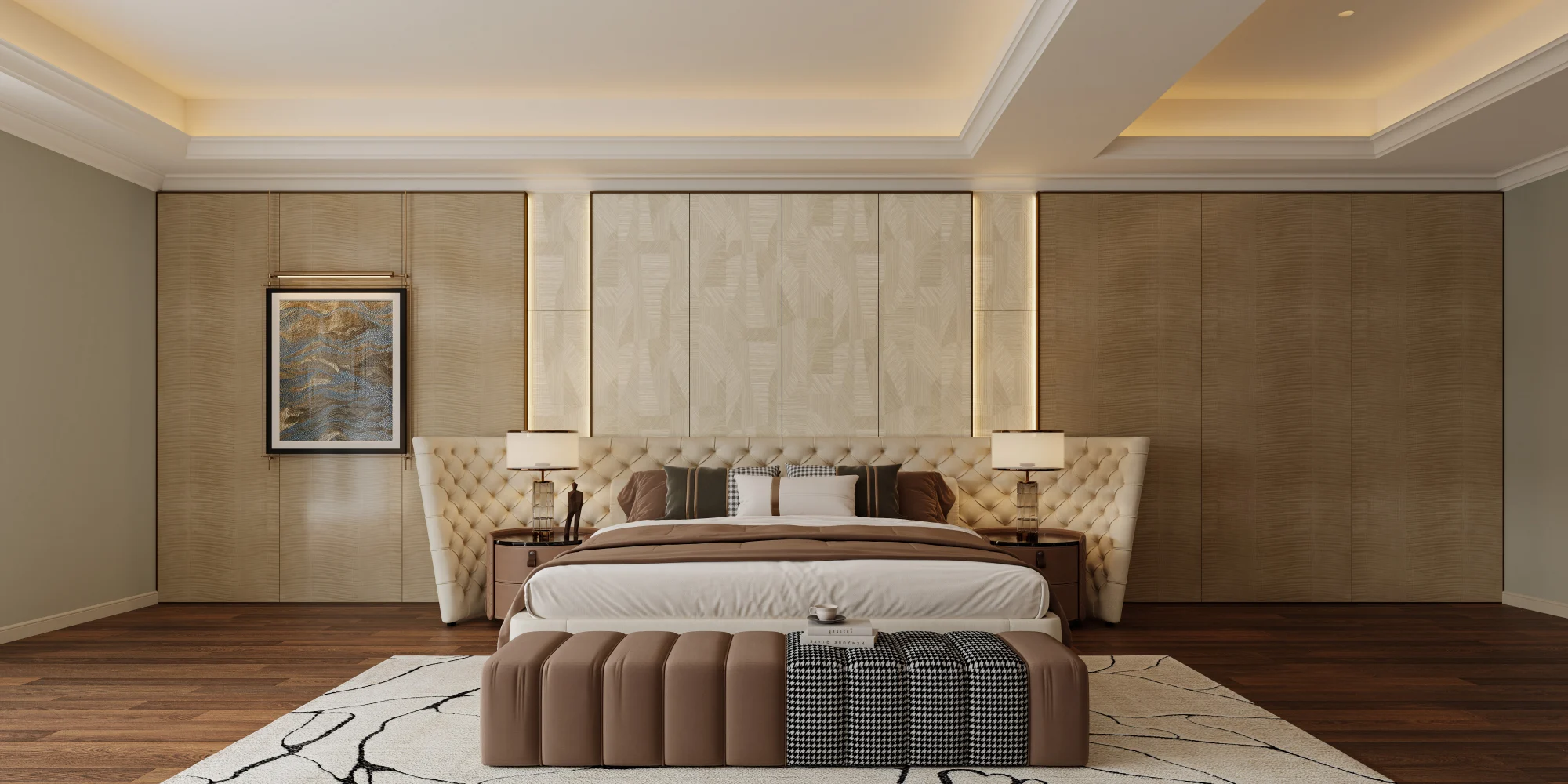
The Future of Furnishing: Biodegradable Materials in Furniture
Biodegradable materials in furniture are no longer a niche concept—they are transforming the core of sustainable design. In an age where environmental concerns weigh heavily on consumer choices, these materials offer not only ecological benefits but also a refined aesthetic that modern homeowners crave. With growing interest in circular economies and responsible consumption, biodegradable furniture materials stand out as a practical and stylish solution to one of the furniture industry’s greatest challenges: waste.
Nature’s Comeback in Interior Design
Biodegradable materials like mycelium, bamboo, cork, and biodegradable polymers are stepping into the spotlight, replacing synthetic, landfill-bound composites. These materials naturally break down at the end of their life cycle, significantly reducing ecological impact. According to the Ellen MacArthur Foundation, over 80% of environmental impacts are determined at the design stage, making early material choice crucial.
For instance, mycelium-based furniture—grown from mushroom roots—has garnered attention not only for its unique textures but for being fully compostable. Ecovative Design, a pioneer in this field, has successfully used mycelium to create furniture panels and packaging that decompose within 30 to 90 days in compost conditions.
Responding to Consumer Demand for Conscious Living
A rising tide of consumers actively seek out biodegradable furniture. Google Trends data shows a 46% increase in searches for “eco-friendly furniture” and related terms like “biodegradable furniture materials” over the past two years. This signals a clear market shift toward low-waste lifestyles.
Yet, user pain points emerge:
-
Lack of durability perception: Many assume biodegradable equals fragile. But materials like compressed bamboo and biodegradable bioplastics such as PLA (polylactic acid) demonstrate remarkable resilience, with tensile strength comparable to traditional plastics (Source: ScienceDirect, 2023).
-
Limited design options: Historically, sustainable meant rustic. Now, thanks to CNC machining and innovative coating technologies, biodegradable materials offer sleek, minimalist finishes that align with luxury trends.
Cost, Convenience, and Circularity
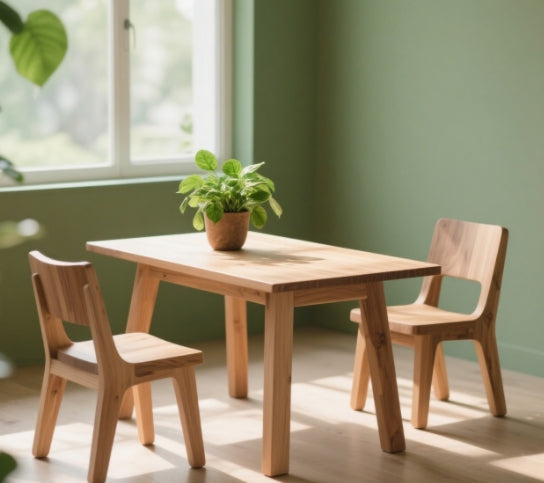
One of the biggest concerns for users exploring biodegradable materials in furniture is cost. Sustainable options have long been perceived as expensive. However, manufacturing scale is shifting this narrative. IKEA, for example, has begun integrating biodegradable PLA and recycled materials in its new collections, aiming for 100% circularity by 2030 (Source: IKEA Sustainability Report, 2023).
In tandem, modular and knock-down designs are helping consumers easily transport and assemble biodegradable furniture—encouraging a buy-sustainably-live-practically approach.
Design That Returns to the Earth
Forward-thinking design brands are taking it a step further by embracing the cradle-to-cradle philosophy. Furniture made with biodegradable upholstery fabrics, such as organic cotton and wool treated with natural dyes, ensures no microplastic shedding—a growing concern with synthetic fabrics. According to OECD data, over 14 million tons of microplastics are released into the ocean annually, much of which comes from interior textiles.
Moreover, biodegradable foam alternatives, like latex derived from the Hevea brasiliensis tree, are now used in sofas and bedding. These materials not only degrade naturally but also emit fewer VOCs, improving indoor air quality—a point of concern in Google’s top searches related to “eco home furniture”.
The Balance of Beauty and Biodegradability
Biodegradable furniture proves that design integrity doesn’t need to be sacrificed for sustainability. From Japanese wabi-sabi aesthetics using paper pulp-based composites to Scandinavian-inspired biodegradable laminates, the fusion of minimalism and material science is elevating eco-conscious furniture to a new level of desirability.
And for those concerned with customization—platforms like Mretty are bridging this gap by offering tailor-made full-home solutions that integrate biodegradable materials without compromising design sophistication.
Conclusion: A New Standard for Responsible Living
The use of biodegradable materials in furniture signals a tectonic shift in the interior design world. It’s not just about aesthetics or trends—it’s about a sustainable lifecycle, healthy living spaces, and future-focused choices. As more homeowners and designers awaken to these benefits, what was once considered alternative is quickly becoming the gold standard.
With Mretty, explore the limitless potential of sustainable living without compromise. Your space. Your style. Your responsibility.
About the Author
Noah Liu is a sustainable design strategist and full-home customization consultant. With a background in material science and over a decade of experience in eco-conscious interiors, he specializes in merging natural materials with modern aesthetics to create living spaces that are as ethical as they are elegant.