
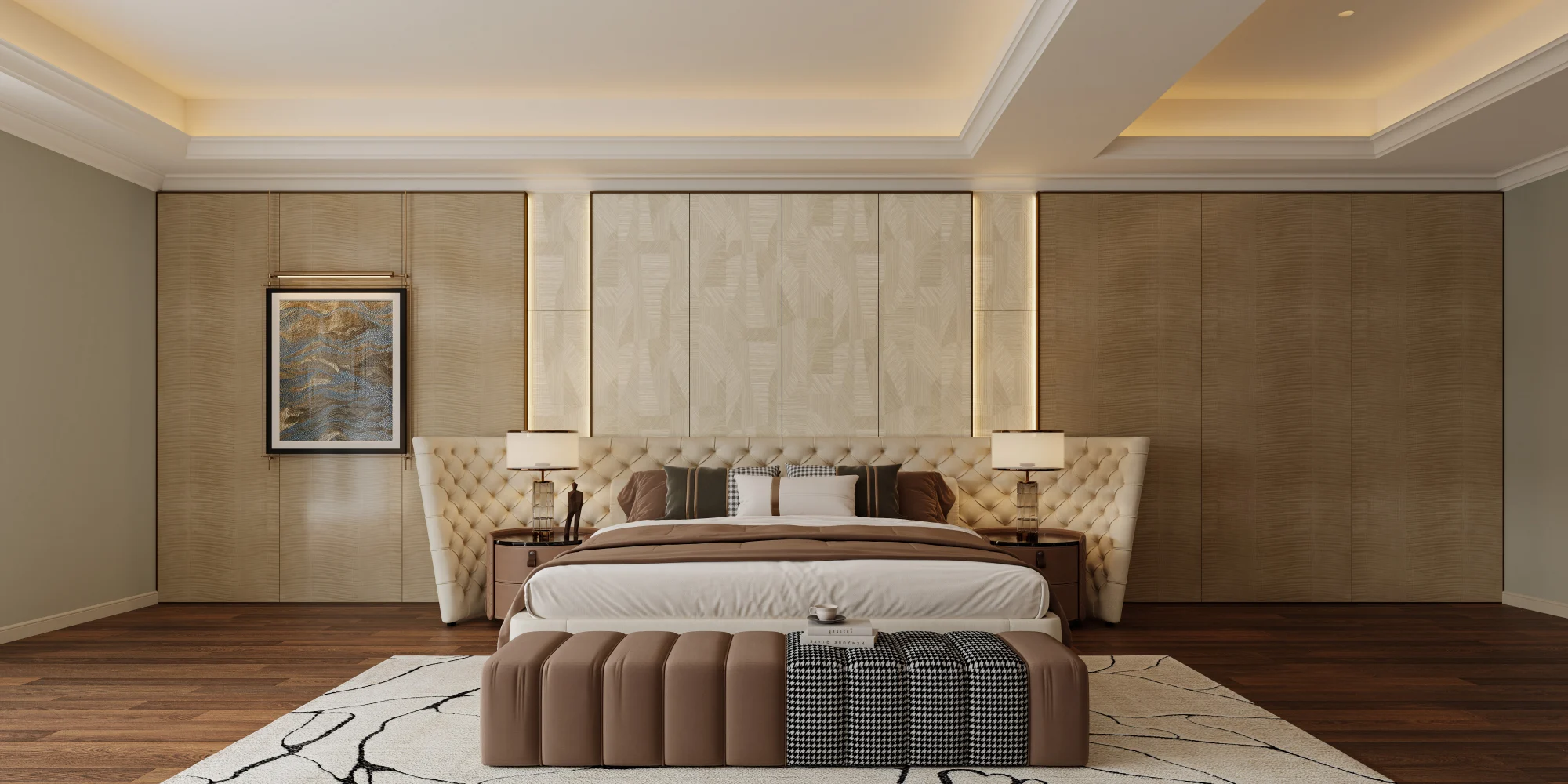
Reclaimed Wood Furniture: A Sustainable Choice for Modern Living
In today’s world, where sustainability is at the forefront of consumer choices, recycled wood furniture stands out as a testament to eco-conscious living. By repurposing timber from old structures, this furniture not only reduces waste but also adds a unique character to home interiors.
The Environmental Impact of Recycled Wood
Opting for recycled wood furniture offers several environmental benefits:
Waste Reduction: Repurposing wood from old buildings and structures prevents valuable materials from ending up in landfills.
Energy Conservation: Processing reclaimed wood typically requires less energy compared to producing new timber, leading to a reduction in overall energy consumption.
Preservation of Forests: By reusing existing wood, the demand for newly harvested timber decreases, contributing to the preservation of forests and biodiversity.
According to a study by the U.S. Environmental Protection Agency, reusing wood can significantly lower greenhouse gas emissions and conserve natural resources.
Aesthetic and Durability Advantages
Beyond environmental benefits, recycled wood furniture offers distinct aesthetic and durability advantages:
Unique Character: Each piece of reclaimed wood carries its own history, evident in its grain patterns and imperfections, making every furniture item one-of-a-kind.
Enhanced Durability: Wood that has aged naturally tends to be denser and more stable, resulting in furniture that can withstand the test of time.
Timeless Appeal: The rustic charm of recycled wood complements various interior design styles, from traditional to contemporary.
Designers like Piet Hein Eek have showcased the beauty of reclaimed wood through their innovative furniture designs, highlighting its versatility and timeless appeal.
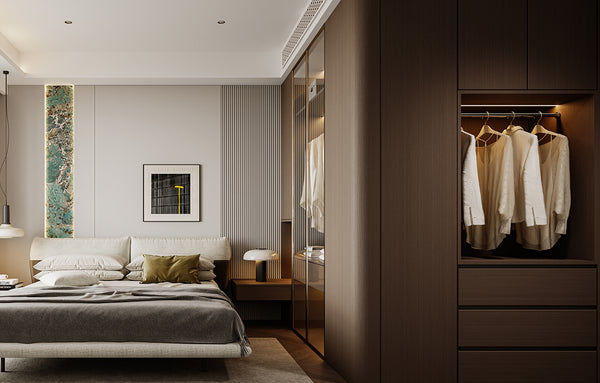
Economic Considerations
While recycled wood furniture can sometimes come with a higher upfront cost due to the labor-intensive process of sourcing and crafting, it often proves to be a cost-effective choice in the long run:
Longevity: The durability of reclaimed wood means fewer replacements over time, leading to savings.
Increased Property Value: Homes featuring sustainable and unique elements like recycled wood furniture can see an increase in market value.
Support for Local Economies: Purchasing locally crafted reclaimed wood furniture supports artisans and small businesses, fostering community growth.
Overcoming Challenges
Despite its benefits, there are challenges associated with recycled wood furniture:
Availability: Sourcing high-quality reclaimed wood can be limited, depending on the region.
Cost: The labor-intensive process of reclaiming and crafting furniture can lead to higher prices.
Quality Variability: Not all reclaimed wood is suitable for furniture making; careful selection is essential to ensure durability and safety.
However, initiatives like Cabn in Malibu have demonstrated how these challenges can be addressed by combining sustainable practices with community empowerment, turning discarded wood into high-end furniture while providing training and employment opportunities.
Conclusion
Incorporating recycled wood furniture into your home is more than just an aesthetic choice; it’s a commitment to sustainability and environmental stewardship. By choosing reclaimed wood, you contribute to waste reduction, energy conservation, and the preservation of forests, all while adding unique and durable pieces to your living space.
We offer a range of customized furniture solutions that embrace the beauty and sustainability of recycled wood. Explore our collections and make a conscious choice for a greener tomorrow.
About the Author:
Emma Lee is a seasoned interior designer with over 15 years of experience in sustainable design practices. She specializes in creating bespoke, eco-friendly interiors that harmonize aesthetics with environmental responsibility.