
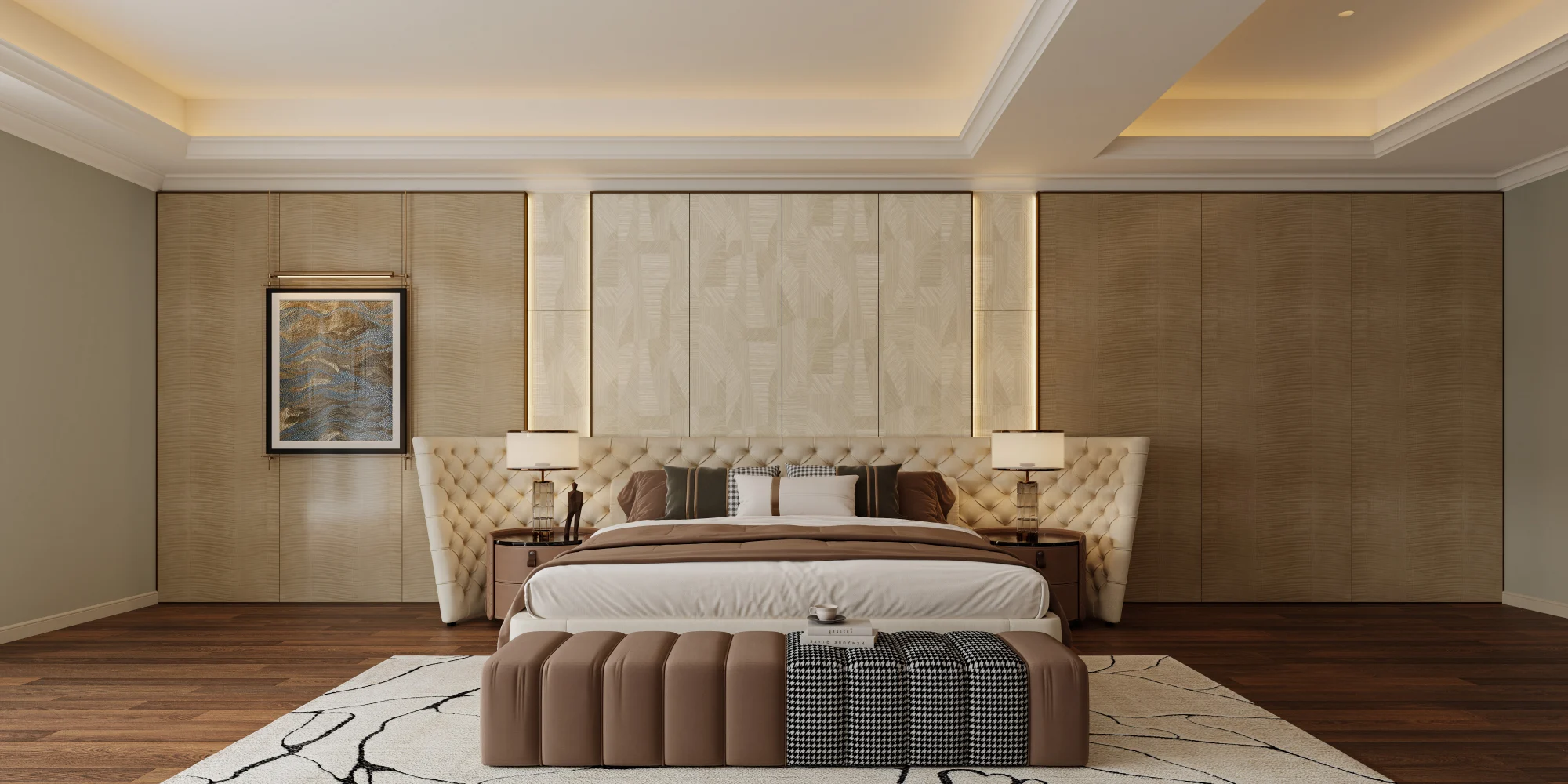
MRETTY Wood Cabinet Material Comparison: A Guide
Choosing the right material for your custom cabinets is a foundational decision that influences not only the aesthetic appeal of your space but also its durability and functionality for years to come. In Singapore, where homes demand both style and resilience, this choice becomes even more critical. MRETTY’s bespoke cabinet systems are crafted from a selection of premium materials, each with distinct characteristics. This comprehensive guide will explore the nuances of these materials—solid wood, plywood, medium-density fiberboard (MDF), and particleboard—to help you make an informed decision for your home.
We will delve into the unique features, benefits, and considerations for each option. Understanding these differences will empower you to select a material that aligns perfectly with your design vision, lifestyle needs, and budget, ensuring your custom cabinetry is a lasting investment in your home’s elegance and efficiency.
The Timeless Elegance of Solid Wood
Solid wood is the quintessential material for high-end furniture, revered for its natural beauty, strength, and longevity. Sourced directly from trees, each plank possesses a unique grain pattern, texture, and color, ensuring that no two solid wood cabinets are exactly alike. This inherent uniqueness brings an unparalleled level of character and warmth to any interior.
Features and Benefits of Solid Wood
Solid wood is celebrated for several key attributes that make it a premier choice for bespoke cabinetry.
- Exceptional Durability and Longevity: Cabinets crafted from solid wood are incredibly strong and built to last for generations. Their robust nature allows them to withstand the rigors of daily use. With proper care, solid wood furniture can be repaired, refinished, and restored, making it a sustainable and lifelong investment.
- Unmatched Aesthetic Appeal: The natural grain, knots, and color variations of solid wood create a rich, organic texture that cannot be replicated by engineered materials. From the deep, luxurious tones of walnut to the bright, clean look of oak, solid wood offers a vast palette for sophisticated design.
- Versatility in Design: Solid wood is highly workable. It can be intricately carved, shaped, and detailed to suit a wide range of styles, from traditional and ornate to modern and minimalist. This adaptability allows for truly personalized and artisanal cabinet designs.
- Increased Home Value: Furniture and cabinetry made from solid wood are often seen as a mark of quality and luxury. Investing in solid wood cabinets can significantly enhance the resale value of your home.
Drawbacks and Considerations
Despite its many advantages, there are some factors to consider when choosing solid wood.
- Susceptibility to Environmental Changes: Wood is a natural material that responds to its environment. It can expand and contract with changes in humidity and temperature, which may lead to warping or cracking over time if not properly managed. This is a particular consideration in Singapore’s humid climate.
- Higher Cost: As a premium material, solid wood is generally the most expensive option for cabinetry. The cost reflects the quality, durability, and craftsmanship involved in its production.
- Maintenance Requirements: To preserve its beauty, solid wood requires regular maintenance. This includes cleaning with appropriate products and occasional polishing or refinishing to protect it from moisture and wear.
Suitability and Expert Insights
Solid wood is the ideal choice for homeowners seeking a timeless, luxurious aesthetic and are willing to invest in heirloom-quality pieces. It excels in creating statement kitchens, elegant library shelving, and sophisticated wardrobe systems. For those who appreciate natural materials and desire a home filled with character and warmth, solid wood is an unparalleled option.
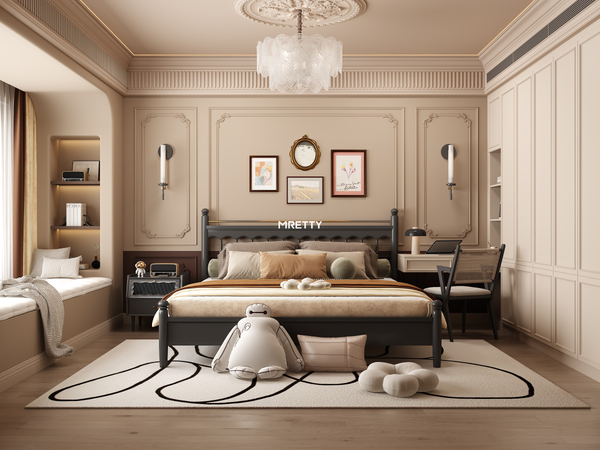
Plywood: The Balanced Contender
Plywood is an engineered wood product constructed from thin layers, or “plies,” of wood veneer that are glued together with their grains rotated up to 90 degrees to one another. This cross-graining technique gives plywood its signature strength, stability, and resistance to warping, making it an excellent and reliable material for modern cabinetry.
Features and Benefits of Plywood
Plywood offers a compelling balance of performance and value, making it one of the most popular choices for custom furniture.
- Superior Structural Strength: The cross-grained structure of plywood distributes stress evenly, making it incredibly strong and resistant to bending or breaking. This structural integrity makes it ideal for building durable cabinet boxes, shelves, and drawers that can support significant weight.
- Excellent Stability and Moisture Resistance: Compared to solid wood, plywood is far less susceptible to expansion, contraction, and warping caused by fluctuations in humidity. High-quality, moisture-resistant (MR-grade) plywood is particularly well-suited for humid environments like kitchens and bathrooms.
- Lighter Weight: Plywood is lighter than solid wood of the same dimensions, which can make installation easier and reduce the structural load on walls and floors, an important factor in high-rise apartments.
- Cost-Effective Quality: While more expensive than MDF or particleboard, plywood offers a more affordable alternative to solid wood without a significant compromise in strength or durability. It provides excellent value for its performance.
Drawbacks and Considerations
While highly versatile, plywood has a few limitations to keep in mind.
- Exposed Edges: The layered construction of plywood is visible on its edges. These edges must be concealed with edge banding, veneer, or a solid wood frame for a polished, seamless finish.
- Surface Finish: The surface of plywood is a real wood veneer, which is beautiful but can be susceptible to scratches or dents if not treated with care. Heavy impacts can damage the top layer.
- Variability in Quality: Plywood is available in various grades. Lower-grade plywood may have voids or inconsistencies between the layers, which can compromise its strength. It is crucial to use high-quality, furniture-grade plywood for cabinetry.
Suitability and Expert Insights
Plywood is the workhorse of the custom cabinet industry, favored for its balanced profile of strength, stability, and value. It is an excellent choice for the structural components of cabinets, such as the carcass and shelving. Its stability makes it perfect for Singapore’s climate. Homeowners looking for durable, high-performance cabinets that offer a modern look and excellent longevity will find plywood to be an outstanding material choice. It provides a solid foundation for various finishes, including laminates and veneers, allowing for immense design flexibility.
MDF: The Smooth and Versatile Canvas
Medium-Density Fiberboard (MDF) is another popular engineered wood product made by breaking down hardwood or softwood residuals into fine wood fibers. These fibers are combined with wax and a resin binder and formed into panels by applying high temperature and pressure. The result is a dense, stable, and exceptionally smooth material.
Features and Benefits of MDF
MDF’s unique composition gives it several advantages, particularly in modern and contemporary design applications.
- Exceptionally Smooth Surface: MDF lacks any wood grain or knots, providing a perfectly smooth and uniform surface. This makes it an ideal substrate for paint, lacquer, and high-gloss finishes, as it results in a flawless, mirror-like appearance that is difficult to achieve with other wood materials.
- Excellent Machinability: Due to its uniform density, MDF can be precisely machined, cut, and routed into intricate shapes and detailed designs without splintering or chipping. This makes it perfect for creating decorative cabinet doors, such as Shaker-style or raised-panel designs.
- Dimensional Stability: Like plywood, MDF is very stable and resistant to warping and cracking from changes in temperature and humidity. It maintains its shape and integrity well over time.
- Affordability: MDF is generally more budget-friendly than both solid wood and plywood, offering a cost-effective way to achieve a high-end, custom look, especially with painted finishes.
Drawbacks and Considerations
The primary weaknesses of MDF relate to its interaction with moisture and its structural limitations.
- Vulnerability to Moisture: Standard MDF is not water-resistant. If its sealed surface is compromised, it can absorb water like a sponge, causing it to swell and lose its structural integrity. For kitchens and bathrooms, it is essential to use Moisture-Resistant (MR) MDF and ensure all surfaces and edges are properly sealed.
- Lower Strength and Screw-Holding Capacity: MDF is not as strong as plywood and does not hold screws as well. Over-tightening screws can strip the material. It is better suited for cabinet doors and decorative panels than for the main structural box of the cabinet.
- Heavy Weight: MDF is very dense and heavy, which can make it more difficult to handle and install. The weight also needs to be considered for wall-mounted cabinets.
Suitability and Expert Insights
MDF is the go-to material for homeowners desiring a sleek, contemporary, or minimalist aesthetic with a perfect painted finish. Its smooth surface is unmatched for high-gloss, matte, or satin lacquers. It is the best choice for detailed and decorative cabinet doors. In a hybrid construction approach, MDF doors are often paired with plywood cabinet boxes to combine the best of both materials: the flawless finish of MDF with the structural strength of plywood.
Particleboard: The Economical Option
Particleboard, also known as chipboard, is an engineered wood product manufactured from wood chips, sawmill shavings, or even sawdust, which are mixed with a synthetic resin and pressed together. It is the most economical wood-based material used in furniture and cabinetry.
Features and Benefits of Particleboard
Particleboard’s primary advantage lies in its low cost and uniform properties.
- Most Affordable Option: Particleboard is the least expensive material choice for cabinets, making it a popular option for budget-conscious projects, rental properties, or temporary storage solutions.
- Lightweight: It is lighter than MDF and solid wood, which can simplify transportation and installation.
- Uniform Surface: Like MDF, particleboard has a uniform surface without natural defects, making it a suitable base for laminates, veneers, and melamine finishes.
Drawbacks and Considerations
The trade-off for its low cost is significantly lower performance and durability.
- Low Structural Strength: Particleboard has the lowest structural strength of all the materials discussed. It is prone to sagging under weight, making it unsuitable for long shelves or heavy-duty applications.
- Poor Moisture Resistance: Particleboard is extremely susceptible to moisture. Exposure to water causes it to swell, discolor, and disintegrate quickly and irreversibly. Its use in kitchens or bathrooms is highly discouraged.
- Low Durability and Repairability: It has poor screw-holding capacity and is easily damaged, chipped, or broken. Once damaged, it is very difficult to repair effectively. Cabinets made from particleboard have a much shorter lifespan than those made from other materials.
Suitability and Expert Insights
Due to its significant limitations in strength and moisture resistance, MRETTY does not typically recommend particleboard for high-use or long-term custom cabinetry projects like kitchens and wardrobes. It may be considered for non-structural applications in dry areas, such as the back panels of closets or for temporary, low-budget installations. For homeowners seeking durability and a lasting return on their investment, upgrading to MDF or plywood is a strongly advised and worthwhile decision.
Choosing the Right Material for Your Singapore Home
Selecting the perfect material for your custom cabinets depends on a thoughtful evaluation of your priorities: aesthetics, function, and budget.
- For Timeless Luxury and Natural Beauty: Solid wood is the ultimate choice.
- For a Balance of Strength, Durability, and Value: Plywood is the superior all-rounder, especially for cabinet structures.
- For Flawless Painted Finishes and Modern Designs: MDF is ideal for cabinet doors and decorative elements.
- For Budget-Focused, Low-Impact Use: Particleboard can be used sparingly, but with significant caution.
At MRETTY, our design consultants work closely with you to understand your vision and lifestyle. We often recommend a hybrid approach, leveraging the strengths of each material to create cabinets that are both beautiful and built to last. For instance, a common high-quality configuration involves using robust plywood for the cabinet boxes and moisture-resistant MDF for the doors to achieve a perfect, durable painted finish. All our wood materials are responsibly sourced and meet strict quality standards, ensuring your final product is not only elegant but also safe and sustainable.
As a testament to our commitment to environmental stewardship, MRETTY proudly utilizes materials that are Forest Stewardship Council (FSC) certified, guaranteeing that the wood used in our bespoke systems comes from responsibly managed forests that provide environmental, social, and economic benefits.
Ready to create the bespoke cabinets of your dreams? Let our experts guide you through every step of the process, from material selection to final installation.
Book a Free Consultation Now
Author: Yang Song
Winner of the Singapore Interior Design Excellence Award (2022) for “The Sentosa Cove Waterfront Residence” project and featured in Prestige Design Magazine for innovative use of sustainable materials in luxury homes.
MRETTY: Premium Bespoke Kitchen & Cabinet Systems Provider in Singapore.