
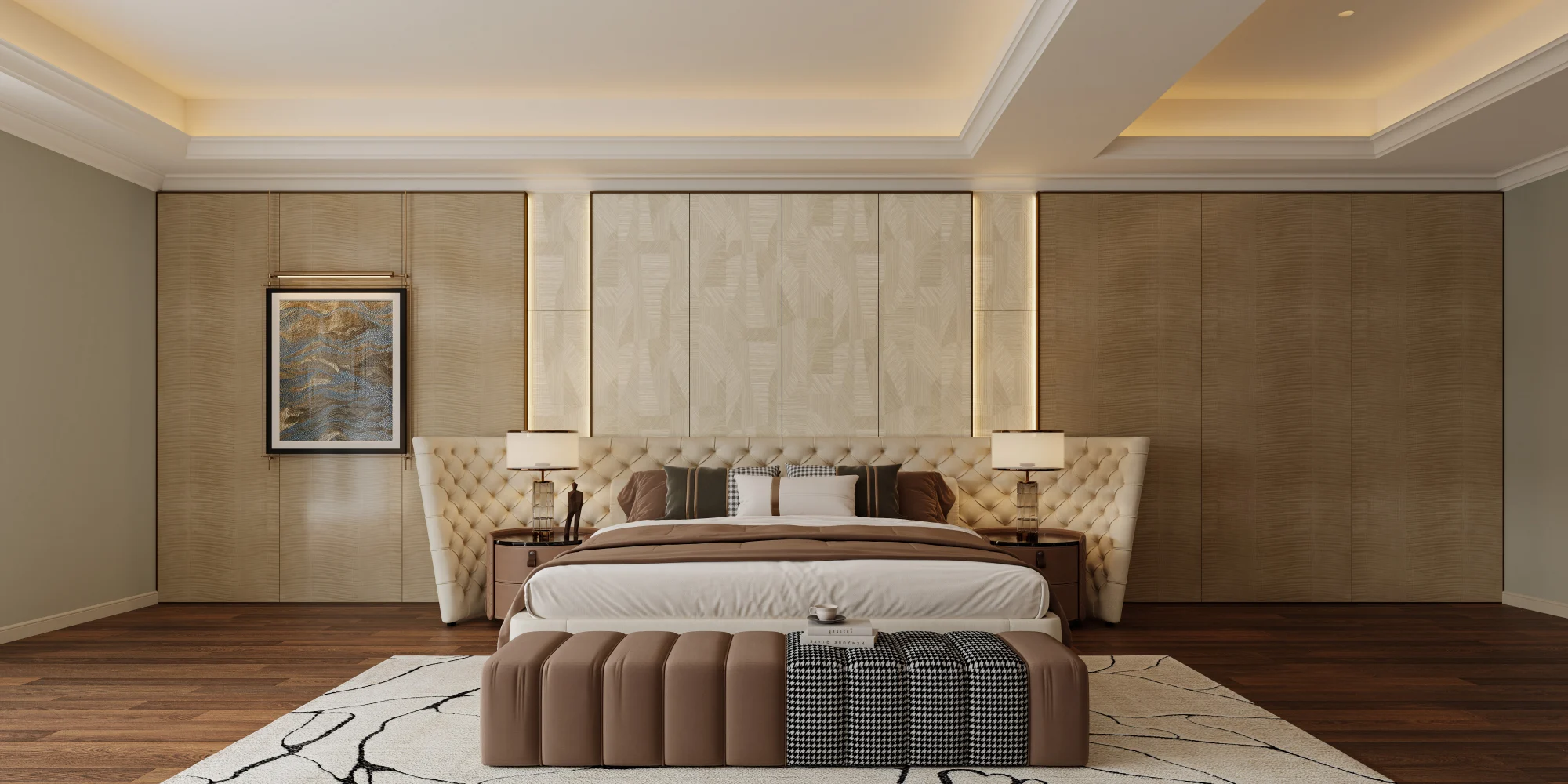
Integrated Home Systems: The Seamless Living Revolution
The promise of a truly smart home has long captivated homeowners—yet many face a fragmented reality. Voice assistants that ignore commands, apps that refuse to sync with lights, or “intelligent” thermostats stuck in manual mode. This dissonance explains why 54.2% of consumers remain skeptical about smart home adoption. The solution? Integrated home systems that unify devices, anticipate needs, and vanish into daily life.
The Fragmentation Frustration
Traditional smart devices often operate in silos. A Z-Wave lock, Wi-Fi cameras, and Bluetooth speakers require separate apps, creating operational fatigue. As industry experts note, users struggle with “frequent multi-step operations,” turning convenience into complexity. Worse, limited cross-device communication stifles automation—imagine a “Goodnight” scene that locks doors but leaves lights blazing.
Google search trends reveal core pain points: “smart home device compatibility,” “whole-house automation costs,” and “reliable security systems.” These reflect a demand for cohesion, not just connectivity.
Beyond Connectivity: True Integration in Action
Modern integrated home systems solve this through:
- Unified Architecture: A central hub (like a PLC-enabled smart gateway) orchestrates devices via Zigbee, Wi-Fi 6, or Thread protocols. This erases brand barriers—e.g., a Xiaomi sensor triggering a Philips Hue light.
- Contextual Intelligence: AI learns routines and adjusts environments proactively. For instance, sleep sensors shift thermostats to optimal temperatures, while adaptive lighting mirrors natural circadian rhythms.
- Security Synergy: Integrated systems merge door sensors, cameras, and leak detectors into a single alert ecosystem. In high-risk scenarios (e.g., gas leaks), they auto-shut valves, open windows, and notify users. Post-installation, homes report up to 50% fewer security incidents.
Tailored Experiences: Where Personalization Meets Automation
Integrated home systems shine in scenario-based living. Consider:
- Home Mode: Entering your house disarms alarms, adjusts lighting to 3000K warmth, and starts ambient playlists.
- Energy Saver Mode: Motion sensors power down idle rooms, slashing electricity use by 15–20% annually.
- Aging-in-Place: Fall-detection wearables alert caregivers while unlocking doors for emergency responders.
These aren’t concepts—they’re realities. One Beijing residential project recorded 30% higher satisfaction after deploying scene-driven automations.
The Invisible Intelligence & Silent Savings
Leading systems now prioritize unconscious interaction. Huawei’s layered UX, for instance, hides advanced controls behind intuitive interfaces. Voice, gesture, or predictive adjustments (e.g., preheating ovens when groceries near expiration) replace manual inputs.
Simultaneously, integration drives sustainability. Smart thermostats learn occupancy patterns, while lighting systems harness daylight harvesting. One community reported 20% lower energy bills post-integration.
Pathways to Personalized Integration
Deploying seamless systems requires:
-
Scalable Design: Start with lighting/security hubs, then expand. Mid-range systems (
1K–3K) suit most homes. - Open Protocols: Prioritize Matter-certified devices for future-proof compatibility.
- Proactive Support: 75% of users cite professional maintenance as critical for long-term reliability.
mretty: Where integrated home systems meet bespoke living. We design technology that adapts—not complicates.
Author Bio
Eleanor Vance is a smart home integration specialist with 12 years of experience in residential IoT architecture. A certified KNX and Matter solutions designer, she has contributed to sustainable automation projects across Southeast Asia. Her work prioritizes ethical technology that enhances accessibility, safety, and energy resilience in modern homes.