

Breathe New Life into the Past: Mastering the Art of Furniture Restoration
Restoring old furniture isn’t just about repair—it’s a form of storytelling. Each scratch, dent, and layer of paint conceals a narrative waiting to be retold. As modern homeowners seek more sustainable and character-filled interiors, furniture restoration is rising as both a practical and emotional design choice.
Rediscovering Value in Aging Furniture
We live in a time where sustainability is more than a buzzword—it’s a commitment. A 2023 Statista report revealed that 67% of U.S. consumers consider sustainable materials a critical factor in home improvement purchases. Furniture restoration speaks directly to this sentiment. Rather than discarding worn-out pieces, homeowners are choosing to restore antique chairs, mid-century sideboards, and vintage dressers, infusing their spaces with authenticity.
But beyond environmental awareness, restoration offers economic value. A case study from Furniture Refinishing Business notes that restoring high-quality solid wood furniture can cost 40-60% less than buying new, especially when dealing with custom or hardwood designs.
Pain Points Driving the Restoration Movement
Many homeowners search for:
-
“How to fix peeling veneer on furniture”
-
“Best wood filler for furniture restoration”
-
“Restoring antique furniture without ruining its value”
These pain points reflect a desire to retain originality while modernizing usability. For example, moisture damage and surface fading are common issues in older pieces. Yet, thanks to advancements in restoration products—like low-VOC finishes and UV-resistant sealers—restorers can now enhance durability without compromising vintage charm.
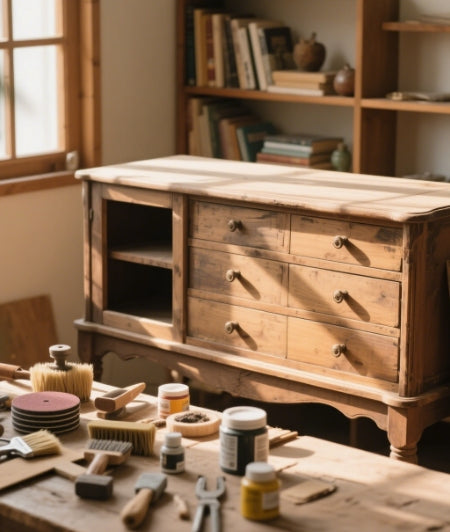
Choosing the Right Restoration Techniques
Furniture restoration is not one-size-fits-all. The right method depends on the item’s material, age, and desired outcome.
1. Structural Integrity Comes First
Before touching the finish, assess the framework. According to The Furniture Society, over 70% of restoration failures are due to neglecting joint stability. Regluing mortise-and-tenon joints and replacing worn dowels should precede any cosmetic work.
2. Surface Revival: Beyond Sanding
While sanding remains a staple, alternatives like chemical stripping or micro-abrasive blasting offer more precision. Particularly for veneer or delicate inlays, gentler methods reduce the risk of over-thinning.
3. Finishing with Intention
Modern finishes like water-based polyurethanes preserve wood tone and resist yellowing. For historically significant pieces, traditional shellac or French polishing techniques may better preserve authenticity, as highlighted in the Smithsonian Furniture Conservation Manual.
Restoration vs. Refinishing: A Philosophical Divide
Many confuse restoration with refinishing, but the distinction is meaningful. Restoration focuses on preserving the original character, even if minor imperfections remain. Refinishing often involves stripping away the old to replace it entirely. Depending on your goals—preservation vs. reinvention—your approach will differ.
Professional designers often recommend a hybrid strategy: stabilize and preserve where possible, modernize where necessary. This approach supports both sustainability and personalization, giving your interiors a lived-in richness that mass-produced furniture simply can’t match.
Restored Furniture as a Design Statement
Restored furniture brings warmth, individuality, and a lived-in aesthetic that pairs seamlessly with modern minimalism, rustic charm, or eclectic interiors. According to a 2024 Houzz survey, 42% of homeowners renovating their living rooms incorporated at least one restored item, indicating a clear trend toward nostalgia-infused design.
Moreover, the rise of upcycling culture on platforms like Instagram and Pinterest has turned restoration into a creative outlet. Sharing the transformation journey of a once-forgotten side table now doubling as a bold entryway statement not only satisfies aesthetic cravings—it also contributes to a global community of mindful consumers.
Embrace Restoration, Create Legacy
Whether you’re salvaging a family heirloom or rescuing a roadside find, furniture restoration isn’t just a design choice—it’s a declaration of values. It preserves history, champions craftsmanship, and brings soul into your space.
At mretty, we believe in homes that speak, furniture that resonates, and design that matters.
About the Author
Claire Everhart is a full-house design specialist with a background in fine woodwork and sustainable interiors. Her passion lies in bridging old-world charm with contemporary living, guiding clients to uncover hidden potential in every piece they own.